What happens to your Google rankings when you stop paying for SEO?

What happens to your Google rankings if you pause SEO work?

Your Google rankings usually do not vanish overnight. In many cases, a site keeps some momentum for a while because existing content, links and authority still carry weight. Over time, though, rankings can weaken if content goes stale, competitors stay active, technical issues build up, or Google changes how it assesses relevance and quality.

i 3 Here's What We Have Covered In This Article

Understanding the immediate impact of halting SEO activity

Stopping SEO activity is a bit like stopping regular maintenance on a well-kept property. Nothing necessarily breaks in the first week, and the overall shape may still look fine. Search visibility often behaves in a similar way.

A pause in SEO is different from a complete absence of upkeep. Some businesses stop active optimisation, such as publishing new content or refining pages, but still keep their website updated in the content management system, fix errors and respond to changes in Google Search Console. Others switch everything off at once.

In the first few days or weeks, several things are common:

  • Existing rankings may hold steady, especially for branded searches or well-established pages.
  • Older content can continue performing if it still matches what people want.
  • Strong site authority may soften the immediate effects of a pause.
  • Search algorithms may take time to reflect the absence of ongoing work.

One common misconception is that the moment you stop paying an SEO agency, Google somehow applies a penalty. That is not how search works. Google does not lower rankings because a contract ended. Positions move because signals change, pages age, competitors improve, or technical standards slip.

Short term stability can feel reassuring, but it does not always tell the full story.

Pro Tip: Maintain service details and business profiles to help prevent rapid local ranking losses during quiet periods.

Lauren

SEO Specialist London

Grow your business online with confidence - ECOM - First Place SEO

Gradual erosion: how rankings deteriorate over time

A garden gives a useful comparison here. If you stop tending it, the lawn does not disappear by next Tuesday. A month or two later, though, weeds, overgrowth and small faults start to show. SEO maintenance often follows that same pattern.

Content is one part of the picture. Pages that once answered a search well can become dated, especially in sectors where services, pricing, regulations or customer expectations shift. A content calendar often keeps this drift in check, and without one, small gaps can widen quietly.

Links can also change in the background. Backlink profiles are not fixed assets. Websites close, pages move, links get removed and references lose context. None of that creates instant damage, but enough link loss over time can reduce the strength behind important pages.

Technical drift is another slow-burn issue. Plugin conflicts, broken internal links, indexing quirks, image problems and mobile usability faults can creep in after routine updates to the site or content management system. If nobody is watching for them, they tend to pile up instead of being fixed early.

Meanwhile, competitor sites keep moving. A rival that publishes newer service pages, improves internal linking or earns fresh reviews may start taking space that your site once held. Ranking decline often comes from being overtaken, not from a sudden collapse.

The lag can make this harder to spot. A business may stop SEO in January, see little change in February, then notice a gradual drop by spring. That delayed effect often leads people to link the decline to the wrong cause, even though the groundwork was laid much earlier.

Pro Tip: Regularly review Google Search Console and Analytics to spot early ranking shifts if you pause SEO work.

Terry

SEO Consultant London

The role of Google algorithm updates when SEO stops

Google changes its systems regularly, and dormant sites usually have less protection against those shifts.

A core update, for example, can alter how Google weighs relevance, quality or trust across a set of results. A page that performed well last quarter may still be useful, but if competing pages are fresher, clearer or technically stronger, the balance can move.

Sites that are no longer being reviewed often face a few specific risks:

  • Outdated content may no longer match what Google sees as the best answer.
  • Older technical practices can fall behind current SEO best practices.
  • Unchecked page quality issues may become more visible after an update.
  • Ranking volatility can hit harder when nobody is monitoring patterns and responding.

No update guarantees a loss. Some websites ride through major Google changes with little movement, particularly if their information remains strong and their pages stay sound. Unpredictability is part of the issue here, because a site left alone has fewer chances to adapt when the search landscape shifts.

That uncertainty matters more in sectors where search intent changes quickly or where many businesses compete for the same local and commercial terms.

Practical SEO that supports your business - First Place SEO

Local and Maps rankings: what changes without ongoing SEO?

For a local service business, Google Maps and the local pack can shift differently from standard organic results. A plumbing company in Leeds, a solicitor in Bristol or a roofer in Glasgow may keep decent website rankings for a while, yet lose visibility in map-based searches much sooner.

Local results depend on a mix of relevance, distance and prominence. Some of those signals are more sensitive to regular activity than many owners realise. A neglected Google Business Profile, inconsistent NAP details, fewer recent reviews or outdated service information can all weaken local visibility.

Organic rankings and local rankings are connected, but they are not the same thing. A service page may still rank reasonably well in standard search while the business drops out of the map pack for nearby users.

Here are a few local factors that often change after SEO stops:

  1. Business details can drift out of sync across directories and citation sources.
  2. Review velocity may slow if nobody supports a steady process for collecting feedback.
  3. Service areas, opening hours or categories may stay outdated in the Google Business Profile.
  4. Competitors can gain ground by posting updates, adding photos and earning newer reviews.

Proximity also complicates the picture. If another firm is physically closer to the searcher and sends stronger freshness signals through reviews and profile activity, that business may edge ahead even when your website itself has not changed much.

Local visibility is often more fluid than business owners expect, especially in busy UK towns and cities where several firms offer near-identical services within a short radius.

Strengthen Your Local Search Presence

Enhance your Google Business Profile and local visibility with practical support tailored for your business needs.
Content, authority and trust: what remains and what fades

Some SEO value lasts. Some of it needs reinforcement.

A genuinely useful page can keep pulling in traffic long after active work slows down. Evergreen service information, strong guides and clear location pages may continue to earn clicks if they still answer real searches well. Good structure and sound writing do not lose all value just because nobody updated them last month.

Authority and trust signals behave differently. Think of them as reputation assets. A strong reputation can survive a quiet spell, but it usually weakens if it is never refreshed, supported or defended.

Enduring elements often include:

  • Well-written pages with lasting relevance
  • Logical site structure and sensible internal linking
  • Established brand searches
  • High-quality links that remain live and contextually relevant

Signals that can fade more easily include:

  • Freshness around changing topics or services
  • Recent reviews on major review platforms
  • Consistent citations across industry directories
  • Ongoing evidence of subject expertise and business activity

Google’s E-E-A-T ideas are useful here as a lens, even though they are not a simple score you can measure on a dashboard. Experience, expertise, authority and trust are easier to demonstrate when a business keeps its information current, maintains a visible reputation and continues publishing material that reflects real knowledge.

A dormant site can still look respectable. A neglected reputation, by contrast, becomes easier to spot.

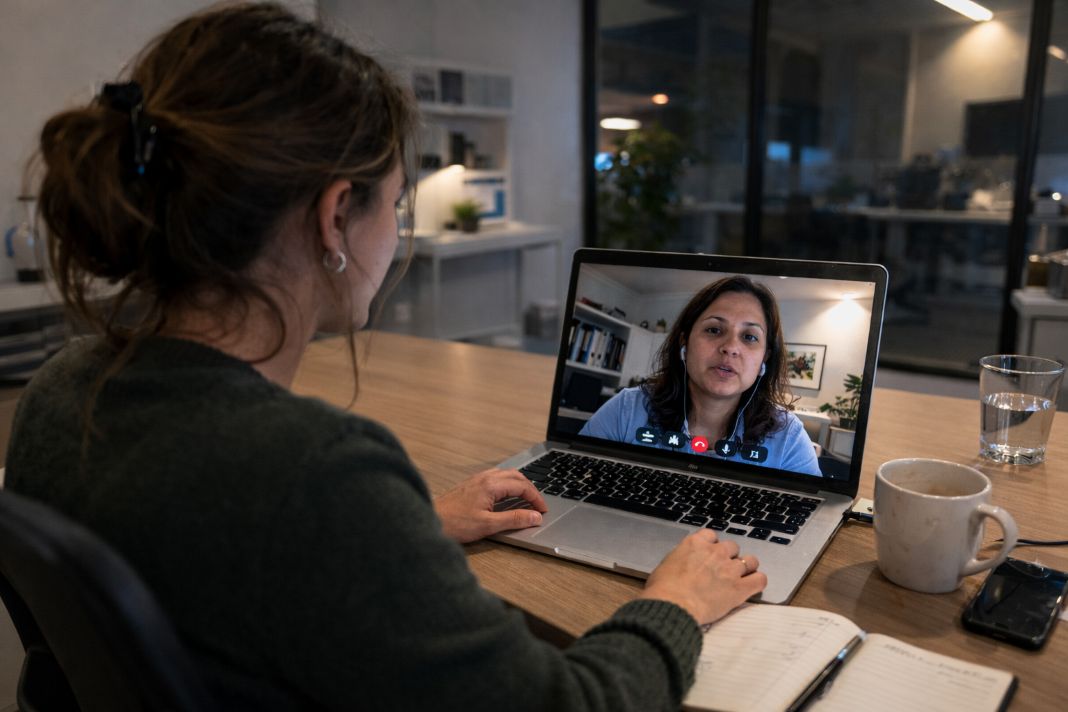
An illustrative image of a seo web consultation taking place over the internet - zoom - teams - google meet

The impact on AI-driven and generative search features

Search visibility now reaches beyond ten blue links. AI Overviews, conversational search platforms and other generative engines pull together answers from multiple sources, which means that stopping SEO can affect more than your standard rankings.

These systems tend to favour sources that are clear, current and easy to interpret. Structured data, consistent service information, well-organised pages and strong topical coverage all make it easier for AI answer engines to understand a business. If those signals stop improving, a site may become less likely to be included, cited or summarised.

Take a local accountant as a simple example. If their site has outdated service pages, patchy location signals and no recent supporting content, an AI-generated answer about tax support in their area may pull from stronger, clearer sources instead. The website still exists, but its visibility in machine-generated answers can shrink.

That matters for a few reasons:

  • Generative systems often rely on sources that appear maintained and trustworthy.
  • Inconsistent business data can reduce citation inclusion.
  • Thin or ageing content may be passed over in favour of clearer alternatives.
  • AI visibility can change even when traditional rankings look fairly stable.

Teams such as First Place SEO have drawn attention to this shift because modern search behaviour is no longer limited to classic results pages. For businesses that depend on inbound enquiries, being absent from AI-generated summaries can become a quiet loss of visibility long before it shows up as a dramatic traffic drop.

Grow Your Audience With First Place SEO

Weighing the risks: when pausing SEO might make sense

Pausing SEO is not always reckless. Sometimes it is a practical business decision.

A company might be rebuilding its website, changing service lines, dealing with a seasonal downturn or moving budget into a separate operational priority. In those cases, a short SEO break may be manageable if the risks are understood in advance.

A simple review can help frame the decision:

  1. Check how much revenue or lead flow currently depends on organic and local search using Google Analytics and search reporting.
  2. Identify which pages, locations or services bring the most valuable traffic.
  3. Separate work that can pause safely from work that protects existing visibility, such as technical upkeep and profile accuracy.
  4. Set a review date so the pause does not turn into indefinite SEO neglect.

Temporary pauses are generally easier to manage than long gaps with no oversight. If a business keeps its website healthy, watches for indexing issues, updates key service pages and maintains its Google Business Profile, the downside may be limited for a period of time.

Long-term abandonment is different. Once rankings, reviews, local signals and content quality all start drifting at once, recovery often takes more effort than basic maintenance would have required. A good risk assessment therefore looks less like a yes or no question and more like a question of duration, dependency and exposure.

Rethinking SEO as a long-term business capability

Many businesses still treat SEO like a project with an end point. That mindset often creates the wrong expectation. Search visibility behaves more like finance, operations or reputation management. You can change the level of effort, but the function never really becomes finished.

Ongoing optimisation supports adaptability. Google changes, customer language shifts, competitors improve, and AI systems alter how information gets surfaced. A business that treats SEO as a capability is better placed to respond without starting from scratch each time.

A capability mindset usually includes three things:

  • routine monitoring, so issues are spotted early
  • regular updates to important pages and local profiles
  • clear ownership inside the business, whether internal or external

That does not mean every company needs constant high-intensity SEO work. It means visibility should be managed with the same common sense applied to other business assets. First Place SEO often frames this as an operational discipline rather than a short campaign, and that idea reflects where search is heading.

If you stop paying for SEO, your rankings may hold, slip slowly or change unevenly across organic, local and AI-driven results. The main point is simpler than it first appears: search visibility has momentum, but it also needs upkeep.
What happens to your Google rankings when you stop paying for SEO - First Place SEO

Get The Help You Need To Rank Your Website on Google and AI