
Why are genuine Google reviews disappearing from UK business profiles?
Genuine Google reviews can disappear because moderation systems are trying to catch fake, misleading or manipulated feedback at scale. In the UK, that process sits alongside tighter compliance expectations around review authenticity, which means that legitimate customer comments can sometimes be caught by automated filters and removed by mistake.
Google has been removing reviews from some UK business profiles with greater visible impact than many owners were used to seeing before. For a local company that depends on steady trust signals in Google Maps and search, even a handful of lost reviews can feel personal. In most cases, the issue is systemic rather than targeted.
Part of the confusion comes from the gap between spam filtering and legitimate review removal. A business may follow the rules, invite real customers to leave feedback and still see comments vanish because the system reads a pattern as suspicious. That can happen after a cluster of reviews arrives at once, after several reviews use similar wording, or after a reviewer account looks unusual to Google’s checks.
Several forces sit behind this change:
- Google continues to refine review moderation systems to detect fake or incentivised content more aggressively.
- Compliance pressure, including scrutiny around consumer protection and review transparency, encourages stricter enforcement.
- Automated detection works at scale, but false positives can still affect authentic feedback.
- UK business reviews often feed directly into visibility on Google Maps, which gives removals a more immediate commercial effect.
For many businesses, the most useful starting point is to treat lost Google reviews as a review management issue, not as proof that something improper has happened.
Here's What We Have Covered In This Article
The role of automated moderation and AI in review filtering
Imagine a plumbing firm that asks ten recent customers for honest feedback after a busy fortnight. Eight reviews arrive within two days, several mention punctuality and fair pricing, and one or two are written from mobile devices on the same provider network. A human reader may see a normal burst of appreciation. An automated system may see a pattern that resembles coordinated behaviour.
That is broadly how AI review moderation works. Google’s machine learning review checks look for signals that often appear in spam, including timing, wording, account history and links between reviewers. The aim is sensible. Fake reviews damage user trust and can distort local search results. The difficulty comes from the fact that genuine customer behaviour can sometimes look similar.
Moderation algorithms are good at spotting repeated patterns, but they do not understand context in the way people do. If a business has a seasonal rush, runs a post-service follow-up process, or serves a local community where customers use similar phrases, the system may flag normal activity as unusual.
A simple comparison makes the point clearer:
Intended outcome and actual outcome
The intended outcome is straightforward. Google spam filters remove low-quality or deceptive reviews before they influence customers.
The actual outcome can be messier. Automated review removal may catch false positive reviews, which means that legitimate comments disappear along with the material the system was meant to stop.
Businesses often assume a missing review must mean a customer deleted it or changed their mind. Sometimes that is true. On other occasions, the review has been filtered because the account, content or posting pattern triggered a machine-led check.
Regulatory pressures and Google’s compliance obligations
Google does not moderate reviews in a vacuum. Online review regulations and consumer protection rules have pushed large platforms to take review authenticity more seriously, including in the UK.
The Competition and Markets Authority has given greater attention to how reviews influence consumer decisions and how platforms handle misleading content. UK consumer law is centred on fairness and transparency, so platforms are expected to reduce the chance that fake endorsements, paid reviews or hidden incentives shape buying choices.
In practical terms, compliance obligations tend to push moderation in three directions:
- Stronger action against suspicious review patterns
- Greater scrutiny of incentivised or promotional feedback
- More emphasis on proving review authenticity
None of that means regulation is the problem. Consumer protection has a clear purpose, and trustworthy reviews matter to businesses as much as they matter to buyers. The tension appears when broad enforcement systems have to make quick decisions at scale, because scale rarely leaves much room for nuance.
A local firm may therefore feel the effect of legal review removal standards without ever dealing with a regulator directly. The platform adjusts its rules and filters, and the business sees the result in its profile.
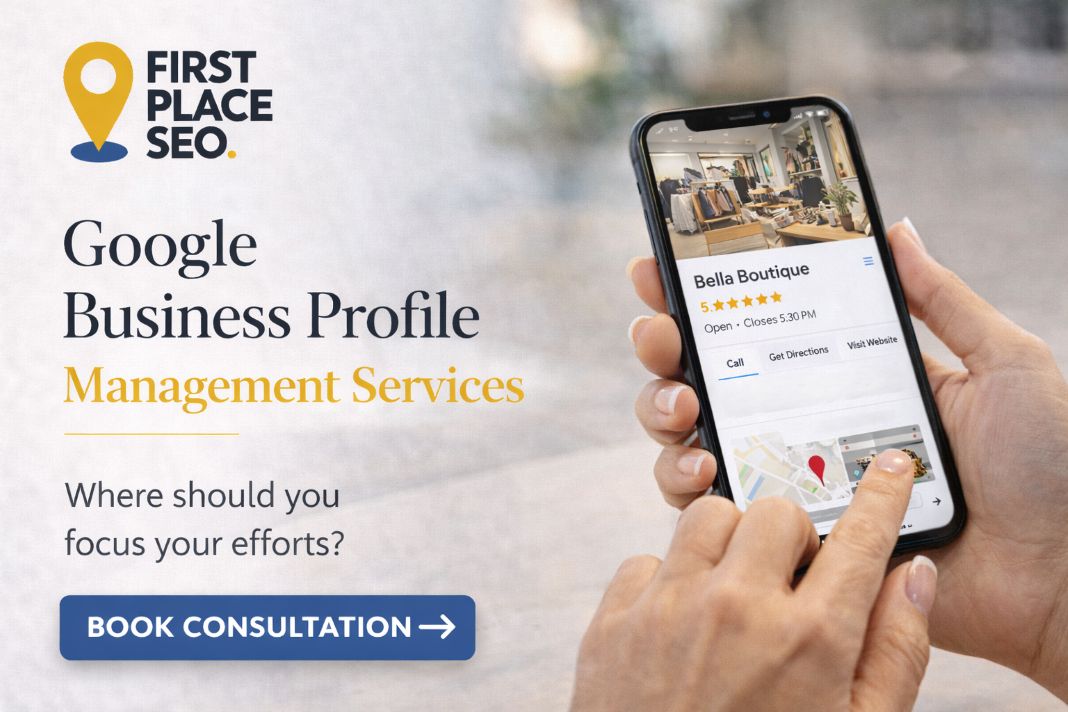
Google business profile management services for local uk businesses
Common reasons real reviews are removed
Most genuine reviews removed from Google are caught by patterns rather than by any single line of text. Looking at common triggers can help a business audit its own review process with a cooler head.
- Several reviews arrive in a short burst A sudden spike in review volume can look artificial, especially if a business usually receives feedback only occasionally. That pattern can appear after a successful project run, a customer email campaign or a seasonal push.
- Review wording is very similar Customers often use the same phrases naturally, especially in local service sectors. If five people write that a team was friendly, quick and professional, moderation systems may read the repetition as prompted or duplicated language.
- Reviews come from linked devices, locations or networks Shared IP addresses, workplace networks and family devices can produce signals that suggest coordination. A legitimate review from a customer at work, or from a household where more than one person leaves feedback, may still be flagged.
- The content appears promotional Reviews that read like advertising copy, include too many service keywords or mention discounts and rewards can trigger checks. Even if the customer wrote the text independently, it may not look fully organic to the system.
- The reviewer account looks unusual A brand-new Google account with little activity can face more scrutiny than an older, established profile. Genuine first-time reviewers are part of normal business life, yet their comments may carry more risk of removal.
- Incentive confusion Some businesses offer a prize draw, discount or perk in a way that blurs the line between requesting feedback and rewarding it. Even where the intention is harmless, the resulting reviews may be treated as compromised.
One practical pattern appears again and again. Businesses that ask every customer in the same way, at the same time and with nearly identical wording often create signals that moderation systems dislike.

Pro Tip: Keep a regular backup of your reviews and customer details so you can respond swiftly if removals occur.
The impact on local reputation and search visibility
Picture a locksmith with 84 reviews in Google Maps one month and 71 the next, despite no obvious drop in service quality. Prospective customers may never know why the count changed. They only see fewer reviews, a different average and a profile that looks slightly less established than before.
Review removals can affect two connected areas: trust and visibility. On the trust side, people often use review count as a quick shortcut. A healthy volume of recent feedback can reassure them that the business is active, local and used by real customers. If genuine reviews are deleted, that confidence can weaken, even if the company has done nothing wrong.
On the visibility side, reviews are one of several trust signals associated with local SEO and Google Maps prominence. Review count rankings are not determined by reviews alone, and no business should reduce local performance to a single metric. Even so, lost reviews on Google Maps can coincide with weaker local pack presence, especially in competitive service areas where businesses appear similar on the surface.
Perception also matters. A lower review total can change how a business looks next to nearby competitors, particularly on mobile where people make fast comparisons. In sectors such as trades, clinics, legal services or home improvement, a difference of a few reviews may influence who gets the click first.
For that reason, review loss is rarely just a vanity issue. It can alter the way a company is judged in the narrow moment before a customer decides whom to call.

Two people finding a local business with more local visibility
Steps to protect your genuine reviews
No business can control Google’s moderation decisions completely, but sensible habits can reduce the chance of accidental removal. The aim is to make real feedback look as natural as it actually is.
- Ask for reviews steadily, not in large batches A regular flow tends to look more natural than a sudden campaign. If your team requests feedback after each completed job, spread the requests across normal business activity instead of sending them all at once.
- Use neutral review requests Keep the invitation simple and avoid scripting what customers should say. A short message asking for honest feedback is safer than suggested wording that nudges people into similar phrases.
- Avoid incentives completely Prize draws, vouchers and discounts create unnecessary risk. A review should stand on its own as voluntary customer feedback.
- Monitor your profile routinely Check for unusual drops in review count, missing recent posts or sharp changes after a campaign. Review management works better when issues are spotted early rather than weeks later.
- Keep a private record of incoming reviews Take screenshots or maintain a simple log with dates and reviewer names where visible. A backup will not stop removal, but it gives you evidence if reviews disappear and helps with later follow-up.
- Brief staff on good practice Front-line teams should know what they can and cannot say when asking for reviews. Small changes in wording and timing can make the whole process feel more organic.
- Encourage diversity in timing and channel If every request is sent in one format from one member of staff at one point in the customer process, patterns become more obvious. A more natural spread of touchpoints often looks more credible because it reflects real customer behaviour.
Those actions are simple, but they add up. A business with a calm, consistent approach to review collection usually creates fewer moderation triggers than one that suddenly pushes hard for volume.

Pro Tip: Rotate staff members and vary communication methods when requesting reviews to help your profile appear more authentic.
What to do if your real reviews are removed
Losing genuine reviews is frustrating, especially if customers took time to write thoughtful comments. The most effective response is orderly rather than emotional.
- Confirm what has actually gone missing Check whether the review count has dropped, whether individual reviews have vanished, or whether a customer can still see their own review while you cannot. That distinction matters because profile display issues and moderation removals are not always the same thing.
- Gather evidence straight away Save screenshots, note reviewer names if visible, record dates and keep copies of the messages that invited the review. If the customer is willing, ask them to confirm that they left it and when.
- Review your recent activity Look back at any pattern changes, including bulk requests, staff campaigns or unusual bursts of feedback. You are not trying to assign blame. You are looking for signals that may have triggered automated review removal.
- Use the relevant Google Business Profile support or appeal route If a genuine review appears to have been removed in error, submit the available appeal or support request clearly and factually. Include the evidence you have, stick to dates and avoid exaggeration.
- Keep communication with customers measured If a customer asks why their review disappeared, explain that moderation systems sometimes remove legitimate feedback and that you are looking into it. Professional wording matters here, because customers are more likely to cooperate if the message stays calm.
- Prepare for a slow answer Google support reviews can take time, and reinstatement is not guaranteed. Some reviews return after review, while others do not. Setting realistic expectations inside the business prevents unnecessary churn and repeated submissions.
A structured record makes this easier. Businesses that document lost business reviews as they happen usually cope better than those trying to reconstruct events from memory a month later.

Google Business SEO Agency – First Place SEO
Building long-term review resilience in an AI-driven search landscape
Review management is becoming part of a wider visibility problem. Search is no longer limited to ten blue links and a star rating. Google Maps, AI summaries, local results and machine-led recommendation systems all shape how a business is judged before a person ever reaches the website.
That shift means review resilience matters beyond the review tab itself. A business that depends entirely on Google for public feedback is exposed to every moderation change, interface change and ranking adjustment. Diversifying feedback across trusted platforms, collecting testimonials responsibly for on-site use and keeping service quality visible in multiple places creates a more stable reputation base.
Process matters as much as platform choice. Reviews should sit inside normal operations, including post-service follow-up, staff training and routine monitoring, rather than being treated as a one-off marketing task. Companies that build that discipline tend to respond better when genuine reviews deleted by a platform disrupt the numbers temporarily.
Some consultancies, including First Place SEO, now treat reviews as one part of a broader search visibility system that also includes local SEO, generative engine optimisation and the way business information is interpreted by AI-driven tools. That wider view reflects how people and machines now evaluate credibility together.
Standards will keep changing, and moderation systems will keep adjusting. Businesses that focus on authentic service, steady feedback habits and clear internal records are in a stronger position than those chasing volume alone. In practice, the safest review strategy still looks quite traditional: earn trust, ask fairly and keep good evidence when the platforms get unpredictable.