
Key points
- Always back up your website before changing any settings.
- LiteSpeed Cache can speed up a slow Divi website.
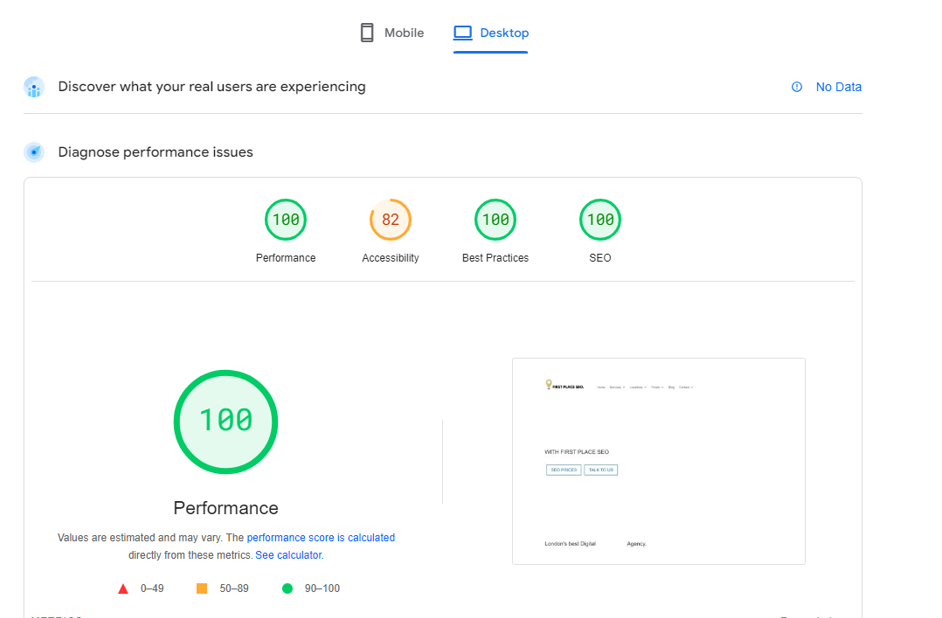
- These settings gave an 85% speed improvement on our own site.
- Results vary, so test the settings on your own site.
Optimise WordPress speed: Divi & LiteSpeed Cache guide
Remember to always back up your website before making any changes.
If the more aggressive settings don't work for you, you'll find screenshots of alternative LiteSpeed settings at the bottom of this article.
Divi and LiteSpeed Cache for a quicker website
Embracing Divi for your WordPress website introduces you to a possibly sluggish load time. With LiteSpeed Cache you can enhance your website performance and speed metrics. My personal tweaks has led to a staggering 85% improvement in my website speed, a testament to potency of LiteSpeed Cache when set up correctly. Please back up your website before making any tweaks or changes. These settings have worked for me but may not work for you, therefore use and implement at your own risk!
This guide delves deep into configuring LiteSpeed Cache for Divi, balancing high performance with functionality. It's pivotal to remember that the effectiveness of these settings can vary across different sites, emphasising the importance of testing to discover the ideal configuration for your unique online presence.
General settings that worked for me to speed things up
Automatic Updates: OFF
Why? Automatic updates, while convenient, can introduce unforeseen conflicts and performance dips. Taking control of updates manually mitigates these risks, ensuring stability across your website's ecosystem.
Guest Mode: ON & Guest Optimisation: ON
Why? These settings are your frontline warriors in optimising cache for visitors not logged into your site. They're instrumental in making first impressions count and significantly boosting load times for a seamless browsing experience.
Mastering cache settings
Enable Cache: ON
Why? Activating this feature is like unlocking a treasure trove of speed, ensuring all users experience your site in the fast lane.
Cache Mobile: ON
Why? In a mobile-first digital world, this setting ensures that your site's mobile version doesn't lag behind, providing a swift, responsive experience crucial for maintaining SEO and user satisfaction.
Purge settings for fresh content
Purge All On Upgrade: ON
Why? This keeps your site's content in its prime, automatically refreshing the cache with every plugin or theme update, guaranteeing that your audience always encounters the freshest version of your site.
Leveraging browser cache
Browser Cache: ON & TTL: 2592000 (30 days)
Why? By encouraging browsers to locally store static content, this setting reduces load times for repeat visitors, enhancing the overall user experience.
Advanced settings for an agile site
Instant Click: ON
Why? This futuristic feature predicts and pre-fetches content for links in the viewer's immediate visual field, making navigation astonishingly quick and fluid.
Image optimisation: a visual feast
Optimise Original Images: ON & Create WebP Versions: ON
Why? This powerful combo ensures your images are not just visually stunning but also optimised for speed, striking the perfect balance between quality and performance.
Page optimisation for the modern web
CSS Minify: ON, JS Minify: ON & Load CSS Asynchronously: ON, JS Combine: Off
Why? These settings work in concert to trim the fat from your CSS and JavaScript files, improving load order and making your site leaner and meaner without sacrificing functionality. When I tried JS combine on it caused severe formatting issues and didnt load icons or images properly, therefore I keep it off.
Media settings: the art of loading
Lazy Load Images: ON & Lazy Load Iframes: ON
Why? By delaying the loading of non-essential media until it's needed, these settings significantly cut down on initial load times, offering a more streamlined browsing experience.
Database optimisation: tread lightly
Revisions Max Number: 10
Why? This precautionary setting prevents your database from getting bogged down with excessive post revisions, keeping it sleek and responsive.
The imperative of testing and backing up
Before unleashing these optimisations into the wild, it's crucial to back up your site comprehensively. Testing each tweak in a controlled environment ensures that these enhancements elevate your site's performance without detracting from its look or feel.
Optimising your Divi website with and LiteSpeed Cache can dramatically transform your website's speed and user experience. Optimisation is finding the balance between speed and functionality, tailored to your site's unique demands. With thorough testing and strategic adjustments, you can unlock the full potential of your Divi website, propelling it to a 80 or 90+ speed performance score on page speed insights.
General Settings - Litespeed for Divi
Cache Settings - Litespeed for Divi
TTL Settings - Litespeed for Divi
Purge Settings - Litespeed for Divi
ESI Settings - Litespeed for Divi
Object Settings - Litespeed for Divi
Browser Cache Settings - Litespeed for Divi
Advanced Settings - Litespeed for Divi
Free call
Want more enquiries from Google?
Book a free call and we'll look at your site with you, then show you what's holding it back.
Image Optimisation Settings - Litespeed for Divi
Image Optimisation Settings - Litespeed for Divi
CSS Settings - Litespeed for Divi
JS Settings - Litespeed for Divi
HTML Settings - Litespeed for Divi
Media Settings - Litespeed for Divi
VPI Settings - Litespeed for Divi
Why your website speed is important?
You know when you're browsing the web, clicking on a link, and then... wait for it... still waiting... and boom, you're already annoyed because that page is taking forever to load? That's exactly why website speed is a big deal. Let me walk you through the nitty-gritty of why having a speedy site is like having a golden ticket in the online world.
First Impressions Count: Picture this: someone lands on your site, and it's as fast as a lightning bolt. They're going to think, "Wow, these folks mean business!" It's all about giving your visitors a smooth ride, so they stick around and actually see what you've got to offer.
Show Me the Money: If your website is snappy, people are more likely to dive in and convert. Whether that's buying something, signing up, or hitting that "subscribe" button, faster sites make folks more inclined to do what you're hoping they'll do.
Google's VIP List: You want to be on Google's good side, right? Well, Google loves speed. The faster your site, the higher you climb in search results. It's like getting an express pass to the top of the SEO roller coaster.
Don't Forget About Mobile: With everyone glued to their phones these days, your site has to be quick on mobile too. Slow loading on mobile? Kiss those visitors goodbye. Speed keeps them happy and engaged, no matter where they are or what device they're using.
Easy on the Wallet: A lean, mean, fast-loading site uses less server juice. That means you can save some cash on hosting and handle more visitors without your site going kaput during peak times.
Looking Good: A website that loads in a snap makes you look professional, tech-savvy, and trustworthy. It's like saying, "We care about your time and your experience here."
Sharing is Caring: If your site is quick and awesome, people are more likely to share your content. Fast load times mean your great content can go viral, getting you more eyeballs and potential fans.
So, there you have it, folks. Speed isn't just about not annoying your visitors; it's about making a great impression, boosting your SEO rankings, saving money, and so much more. In the grand scheme of things, investing in your website's speed is investing in the success of your online presence. Trust me, as an SEO guy, I've seen the magic that happens when websites get this right.